
How Do I Manage Fatigue During Liver Cancer Treatment?
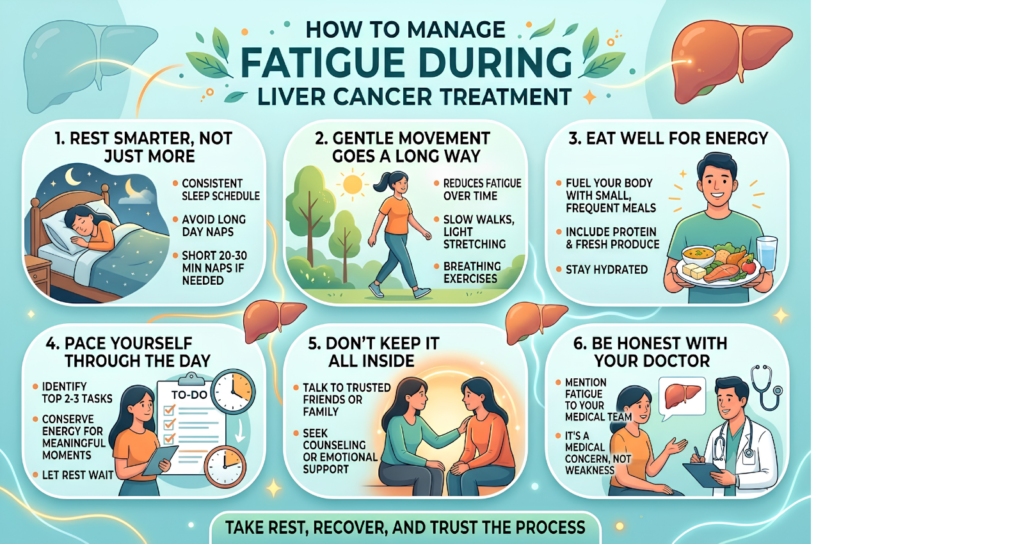
If you or someone close to you is going through liver cancer treatment right now, chances are fatigue has become a daily companion. Not the kind of tired you feel after a long day at work. We’re talking about a deep, bone-heavy exhaustion that doesn’t seem to go away — even after a full night’s sleep.
Here’s something important to know: you’re not alone, and this isn’t something you simply have to push through in silence. There are real, practical ways to manage it.
Why Does Liver Cancer Treatment Make You So Tired?
The liver is your body’s powerhouse. It processes nutrients, filters toxins, and helps produce energy. When liver cancer (also called hepatocellular carcinoma) affects it, the liver can’t function at its best. Add treatments like chemotherapy, targeted therapy, immunotherapy, or radiation into the mix, and your body is essentially fighting two battles at once.
That kind of double demand drains your energy faster than anything else. It’s completely normal, and it makes medical sense.
This Isn't Regular Tiredness
Cancer-related fatigue is different from everyday tiredness in important ways. You might feel:
- Heaviness in your arms and legs
- Difficulty thinking clearly (often called “brain fog”)
- No motivation to do even simple tasks
- Emotional exhaustion alongside the physical kind
A good nap won’t fix this. But that doesn’t mean nothing will.
Some Practical Ways to Manage Fatigue
1. Rest Smarter, Not Just More
Quality of rest matters more than quantity. Try to keep a consistent sleep schedule, same bedtime, same wake-up time. Avoid long daytime naps that can disrupt your night. If you do need to rest during the day, a short 20–30-minute nap can actually help without throwing off your nighttime sleep.
2. Gentle Movement Goes a Long Way
It might sound strange, but gentle physical activity can actually reduce cancer-related fatigue over time. A slow 10-minute walk around the house, light stretching, or simple breathing exercises can make a noticeable difference in your energy levels. Always check with your doctor before starting anything new.
3. Eat Well, Even When You Don’t Feel Like It
Your body is working hard. It needs fuel. Small, frequent meals are often easier to manage than three large ones. Try to include:
- Protein (dal, eggs, paneer, fish, or chicken)
- Fresh fruits and vegetables
- Plenty of water to stay hydrated
Even when your appetite is low, try not to skip meals. Nutrition directly impacts how you feel during liver cancer treatment.
4. Pace Yourself Through the Day
You don’t have to do everything. You don’t have to do it all today. Identify the two or three tasks that truly matter, and let the rest wait. Conserving your energy for meaningful moments, a conversation, a favourite meal, a bit of sunlight, adds up more than you think.
5. Don’t Keep It All Inside
Emotional fatigue is just as real as physical fatigue. Talking to a trusted family member, friend, or counsellor can take the weight off your shoulders. Many oncology care teams in Ahmedabad now include psychological and emotional support as part of their treatment plans, and it genuinely helps.
6. Be Honest With Your Doctor
This is the most important step. Many liver cancer patients hesitate to mention fatigue because they feel it’s just “part of the process.” But your medical team needs to know exactly what you’re experiencing so they can help.
What Experts Say About This
Dr. Viraj Lavingia, a well known oncologist with significant experience in managing liver cancer cases in Ahmedabad, makes fatigue management a core part of his patient care approach. He often reminds patients that fatigue is a medical concern — not a personal weakness — and that addressing it directly can significantly improve quality of life throughout treatment.
That’s not a small thing. Your comfort and well-being during treatment matter just as much as the treatment itself.
Take Rest, Recover, and Trust the Process
Going through liver cancer treatment is one of the hardest things a person can face. But managing fatigue is something that is within your reach. With the right habits, honest conversations with your care team, and support from your loved ones, things can feel more manageable.