Dr Viraj Lavingia

Why Every Parent Should Consider the HPV Vaccine for Their Children

Why Every Parent Should Consider the HPV Vaccine for Their Children As a parent, you will always prioritize your child’s health and future. From regular clinic check-ups to ensuring a healthy diet, every step matters. To further protect your child from serious diseases such as cancer, certain preventive measures are essential. One such measure is the HPV vaccine. According to Dr. Viraj Lavingia, Specialist in Gastro-Intestinal Cancer, preventive care starting in childhood can play a significant role in reducing the risk of cancer later in life. What is HPV and Why Should Parents Be Concerned? HPV (human papillomavirus) is one of the most widespread viruses in our society, affecting most people in their lifetime. While most cases resolve themselves, other strains can be life-threatening and cause serious complications, including various cancers, such as cervical, oral, and anal cancer. This problem should not be seen as an instant threat, but rather a potential risk in the future. Most parents are unaware of the connection between the two problems, which is why education is crucial. How the HPV Vaccine Protects Your Child The HPV vaccine is designed to protect against the types of HPV that most commonly cause cancer. It works by preparing the body’s immune system to recognize and fight the virus before it can cause harm. Key benefits include: ● Protects against high-risk HPV infections ● Significantly reduces the chances of cancer later in life ● Provides long-term immunity ● Safe and globally recommended In recent years, the HPV Vaccine in Ahmedabad has gained attention as more parents recognize its importance in protecting their children from future health risks. Right Age for HPV Vaccination One of the most common questions parents have is: When is the right time? The ideal age for HPV vaccination is between 9 and 14 years, before any potential exposure to the virus. At this stage, the vaccine is most effective and provides stronger immunity. Starting early doesn’t mean your child is at risk—it means you are taking a proactive step toward their future safety. Is the Vaccine Safe for Children? Safety is always a primary concern for parents when it comes to a vaccine. Hence, asking questions is entirely acceptable and should not raise any eyebrows. The HPV vaccine is well-researched and approved for use among all children around the world. Here are some crucial things that you need to understand about HPV vaccine safety: Key safety points to know: ● Extensively tested in clinical trials before approval ● Recommended by global health organizations ● Used safely in millions of children worldwide ● Provides long-term protection against cancer-causing HPV types ● Side effects are usually mild and temporary Most children might face some temporary side effects, such as pain at the site of injection, slight fever, and tiredness, which will generally wear off after one or two days. Major adverse events, on the other hand, are highly uncommon. Common Myths vs Facts About the HPV Vaccine # Myth Fact 1 Only applicable to girls It is critical for both sexes 2 Too young to take it Early immunization offers better protection. 3 It is not safe It is clinically approved and safe worldwide 4 Rarity of the virus HPV infection is very common What Parents Should Know In cities like Ahmedabad, awareness of preventive healthcare is increasing, but there is still a gap in HPV vaccination. Many families focus on treatment rather than prevention. Consulting the best medical oncologist in Ahmedabad can help you understand why early vaccination is not just recommended but essential. Prevention today can avoid complicated treatments in the future. Doctor’s Advice for Parents From a medical perspective, prevention is always better than a cure. As a specialist in Gastro-Intestinal Cancer, I often highlight the importance of awareness and early action. He advises parents to: ● Stay informed about cancer prevention ● Do not delay vaccination due to myths or confusion ● Take guidance from qualified specialists A simple step today can protect your child from serious health risks tomorrow. Know More About the Expertise of Dr. Viraj Lavingia in Cancer Care Dr. Viraj Lavingia is a highly experienced oncologist known for his dedicated work in cancer care, particularly in gastrointestinal cancers. With 18+ years of clinical experience and a strong focus on patient-centered treatment, he combines advanced medical knowledge with a compassionate approach to help patients navigate their cancer journey with confidence. Key highlights of his expertise: ● Clinical and Research Prowess: Strong focus on gastrointestinal (GI) cancers with evidence-based treatment approaches ● Expertise in managing complex cancers, including colorectal, stomach, liver, and pancreatic cancers ● Actively involved in clinical research and advanced cancer therapies ● Emphasis on early detection, prevention, and patient awareness ● Personalized treatment plans tailored to individual patient needs ● Awards & Recognitions: 12+ recognitions for excellence in oncology and patient care Beyond clinical excellence, his approach ensures that patients and their families feel supported at every stage from diagnosis to recovery making the overall treatment journey more reassuring and structured.

Why Every Parent Should Consider the HPV Vaccine for Their Children Read More »

Understanding Liver Cancer: Common Myths and the Real Facts

Understanding Liver Cancer: Common Myths and the Real Facts Liver cancer is becoming increasingly common, with a rising number of cases reported each year. This increase is largely due to lifestyle changes, growing cases of fatty liver disease, hepatitis infections, obesity, diabetes, and excessive alcohol consumption. Many patients remain unaware of early warning signs, which often leads to delayed diagnosis. In addition, misinformation about liver cancer creates unnecessary fear and confusion, preventing patients from seeking timely care. There are several myths surrounding liver cancer, such as it being always fatal, affecting only alcohol users, or having no effective treatment. In reality, medical advancements have significantly improved outcomes. Early detection and proper management can make liver cancer treatable in many cases. Understanding the facts helps patients make informed decisions and seek timely medical care. Why Liver Cancer Cases Are Increasing The rise in liver cancer cases is linked to several health and lifestyle factors. Non-alcoholic fatty liver disease is becoming more common due to obesity and diabetes. Chronic hepatitis B and C infections also increase the risk. Alcohol-related liver damage remains another significant cause. Additionally, sedentary lifestyles, unhealthy diets, and delayed health checkups contribute to late diagnosis. Early detection plays a major role in improving outcomes. When diagnosed at an early stage, treatment options are more effective, and recovery chances improve significantly. Risk Factors for Liver Cancer Several factors may increase the risk of liver cancer, including: Chronic hepatitis B or C infection Fatty liver disease Excessive alcohol consumption Obesity and diabetes Liver cirrhosis Family history of liver disease Smoking and an unhealthy lifestyle Patients with these risk factors should consider regular screening and medical evaluation. Symptoms You Should Not Ignore Liver cancer may not cause symptoms early, but as the disease progresses, patients may experience: Unexplained weight loss Loss of appetite Upper abdominal pain Fatigue and weakness Jaundice (yellowing of skin and eyes) Abdominal swelling Nausea or vomiting If these symptoms persist, medical consultation is recommended. Common Myths About Liver Cancer Many misconceptions about liver cancer often lead to delayed treatment. Some believe liver cancer only affects alcohol users, while others assume it cannot be treated. These myths can create fear and prevent patients from exploring available options, including timely liver cancer treatment in Ahmedabad. Liver Cancer: Myths vs Facts vs What Patients Should Know # Myth Fact What Patients Should Know 1 Liver cancer is always fatal Early-stage liver cancer can be treated effectively Timely diagnosis significantly improves treatment outcomes 2 Only alcohol causes liver cancer Fatty liver disease, hepatitis B & C, obesity, and diabetes also increase the risk Even non-drinkers can develop liver cancer, so screening is important 3 Liver cancer shows symptoms early Symptoms usually appear in advanced stages High-risk patients should undergo regular checkups 4 Surgery is not possible for liver cancer Surgery is one of the most effective treatment options in selected cases Treatment depends on tumor size, stage, and liver function 5 Liver cancer cannot be treated Multiple treatment options are available today Personalized care improves recovery chances 6 Liver cancer spreads immediately Some liver cancers grow slowly Early detection allows better control and treatment 7 Liver cancer affects only older people It can occur in younger patients with liver disease Anyone with risk factors should stay alert Myth: Liver Cancer Is Always Fatal This is one of the most common misconceptions. While advanced liver cancer can be challenging, early-stage liver cancer can often be treated effectively. Surgical removal, targeted therapy, and other treatments can improve survival and quality of life. Timely diagnosis plays a key role in improving outcomes. Myth: Only Alcohol Causes Liver Cancer Although alcohol-related liver damage is a known cause, it is not the only factor. Non-alcoholic fatty liver disease, hepatitis infections, obesity, and diabetes are increasingly contributing to liver cancer cases. Many patients diagnosed with liver cancer may not have any history of alcohol consumption. Myth: Surgery Is Not Possible for Liver Cancer Many patients believe liver cancer cannot be treated surgically. However, surgery remains one of the most effective treatment options for selected cases. Advances in surgical techniques and multidisciplinary care have improved safety and outcomes. Patients should consult a specialist to understand whether surgery is suitable. Modern Liver Cancer Treatment Options Treatment for liver cancer depends on tumor size, stage, liver function, and overall health. Options may include surgery, liver resection, ablation therapies, targeted therapy, immunotherapy, and supportive care. A personalized treatment approach is essential for the best outcomes. Patients seeking liver cancer treatment in Ahmedabad should consult an experienced specialist for proper evaluation and treatment planning. Early diagnosis allows for more treatment choices and improves recovery chances. Modern healthcare facilities now offer advanced treatment options, making care more accessible and effective for patients. Conclusion Liver cancer is increasing, but many myths still prevent patients from seeking timely care. Understanding the facts, recognizing symptoms, and knowing the available treatment options can help patients make informed decisions. Early diagnosis significantly improves treatment outcomes and provides more management options. If you or your loved one is experiencing symptoms or has risk factors, seeking expert guidance is important. For comprehensive evaluation and liver cancer treatment in Ahmedabad, consulting an experienced specialist like Dr Viraj Lavingia can help ensure accurate diagnosis and personalized care.

Understanding Liver Cancer: Common Myths and the Real Facts Read More »

Liver Cancer Symptoms: Early Signs, Causes, and Survival Rate Explained

Liver Cancer Symptoms: Early Signs, Causes, and Survival Rate Explained Liver cancer is a serious condition that often develops silently, with symptoms appearing only in later stages. Because the liver performs many vital functions, any disease affecting it can significantly impact overall health. Understanding the early signs, causes, and survival rate of liver cancer is important for timely diagnosis and better outcomes. Awareness of symptoms and risk factors helps patients seek medical care before the disease progresses. Liver cancer occurs when abnormal cells grow uncontrollably in the liver and form a tumor. The most common type is hepatocellular carcinoma, which begins in the main liver cells. In some cases, cancer may also spread to the liver from other organs. Early detection and timely consultation are important for better outcomes, and patients seeking liver cancer treatment in Ahmedabad should consider evaluation by an experienced specialist. Liver Cancer Symptoms in Early Stages Liver cancer may not cause obvious symptoms initially, but some early signs may still appear. These symptoms are often mild and can be mistaken for other digestive or liver-related conditions. Early symptoms may include fatigue, mild abdominal discomfort, loss of appetite, and unexplained weight loss. Some patients may also experience a feeling of fullness even after eating small meals. Recognizing these subtle symptoms and seeking timely evaluation can help detect liver cancer earlier and improve treatment options. Common Signs of Liver Cancer As liver cancer progresses, symptoms may become more noticeable. Some of the common signs include: Unexplained weight loss Loss of appetite Upper abdominal pain or discomfort Nausea or vomiting Weakness and fatigue Abdominal swelling Jaundice (yellowing of skin and eyes) Enlarged liver or spleen These symptoms may not always indicate liver cancer, but persistent symptoms should not be ignored. What Are the First Signs of a Bad Liver? A damaged or unhealthy liver can show several warning signs even before serious conditions develop. These symptoms are often mild at first but may worsen over time if ignored. Identifying these early signsis important because untreated liver disease can increase the risk of complications, including liver cancer. Monitoring liver health and seeking timely medical advice can help prevent further damage and improve outcomes. Common warning signs of a bad liver include: Persistent fatigue and weakness Yellowing of skin and eyes (jaundice) Dark-colored urine Abdominal swelling or bloating Unexplained loss of appetite Easy bruising or bleeding Causes of Liver Cancer Liver cancer is often associated with long-term liver damage. Several conditions can increase the likelihood of developing liver cancer. Chronic hepatitis B and C infections are among the leading causes worldwide. Fatty liver disease, especially related to obesity and diabetes, is also becoming a major contributor. Excessive alcohol consumption can cause cirrhosis, which significantly raises the risk.Other causes may include genetic liver diseases, long-standing liver inflammation, and exposure to certain toxins. Identifying and managing these conditions early can help reduce the risk. Risk Factors Associated with Liver Cancer Certain individuals are more likely to develop liver cancer. Common risk factors include: Chronic hepatitis infection Liver cirrhosis Fatty liver disease Obesity and diabetes Excessive alcohol consumption Smoking Family history of liver disease Patients with these risk factors should consider regular screening and medical consultation. When Do Liver Cancer Symptoms Appear? Liver cancer symptoms often appear in advanced stages. In the early stages, the liver continues to function normally, which makes detection difficult. As the tumor grows, symptoms such as abdominal pain, swelling, and jaundice become more prominent. This is why early screening is important for individuals at higher risk.Early diagnosis allows more treatment options and improves outcomes. Patients experiencing persistent symptoms should seek medical evaluation. Liver Cancer Survival Rate The survival rate of liver cancer depends on the stage at diagnosis, liver function, and overall health. When detected early, treatment options such as surgery and targeted therapies can improve outcomes. However, advanced-stage liver cancer may be more difficult to treat. This highlights the importance of awareness, screening, and timely diagnosis.Access to specialized care is crucial for improving patient outcomes. Seeking guidance from an experienced specialist ensures accurate evaluation and personalized treatment tailored to individual needs. Importance of Early Detection Early detection significantly improves treatment success. Regular health checkups, imaging tests, and blood investigations can help identify liver abnormalities before symptoms become severe. Individuals with risk factors should follow routine screening schedules.Timely diagnosis helps doctors plan the most appropriate treatment and improves recovery chances. With modern medical advancements, liver cancer treatment in Ahmedabad is now more accessible, offering patients advanced diagnostic and treatment options. When to Consult a Liver Cancer Specialist Patients should consult a specialist if they experience persistent symptoms such as unexplained weight loss, abdominal pain, jaundice, or fatigue. Individuals with hepatitis infection, fatty liver disease, or cirrhosis should also undergo regular monitoring. Early consultation with Dr. Viraj Lavingia helps in accurate diagnosis and timely treatment planning. Conclusion Liver cancer often develops silently, making awareness of early symptoms extremely important. Recognizing warning signs, understanding causes, and knowing the survival rate can help patients seek timely care. Early detection significantly improves treatment outcomes and provides more management options. If you or your loved one experiences persistent symptoms or has risk factors, consulting an expert is essential. For accurate diagnosis and personalized care, Dr. Viraj Lavingia provides comprehensive evaluation and advanced treatment approaches, including liver cancer treatment in Ahmedabad, to help patients achieve better outcomes.

Liver Cancer Symptoms: Early Signs, Causes, and Survival Rate Explained Read More »

A Complete Guide to Colorectal Cancer: Symptoms, Causes, and Prevention

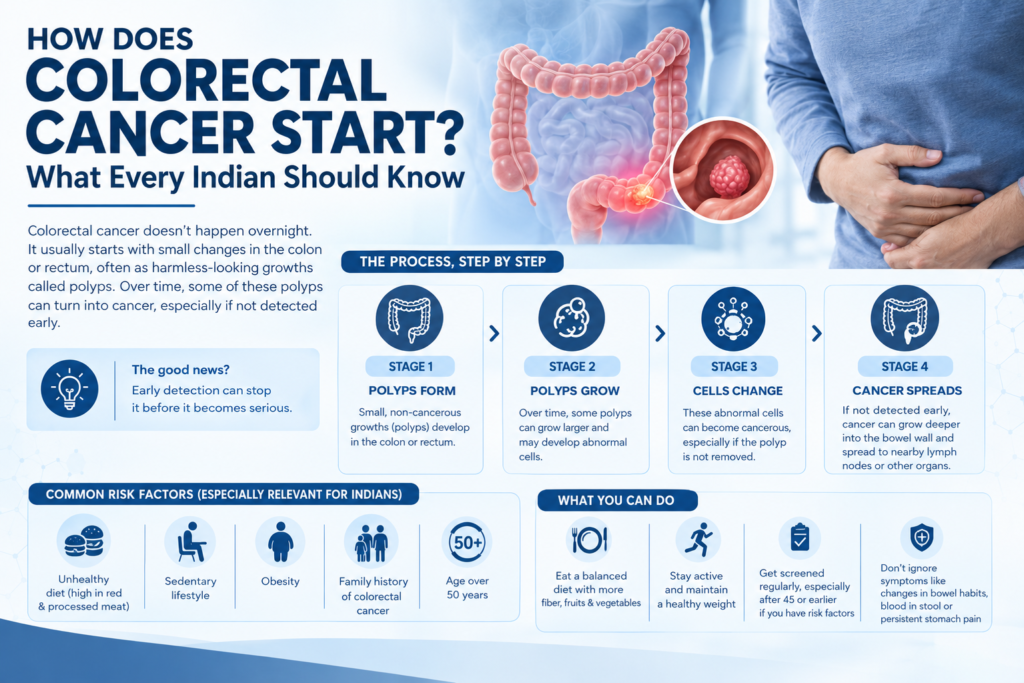
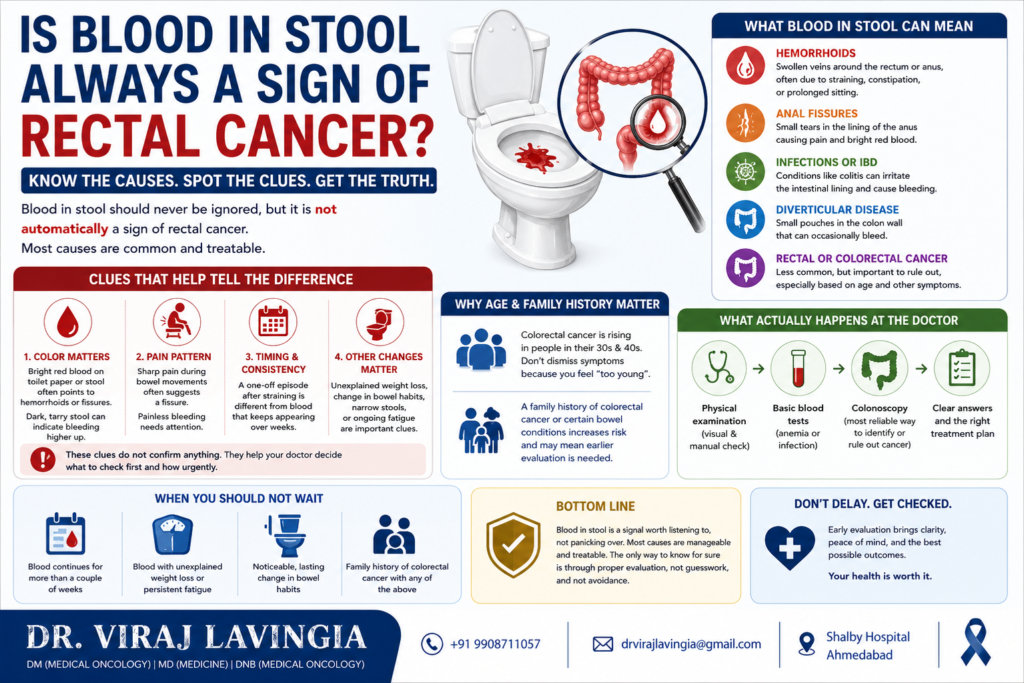
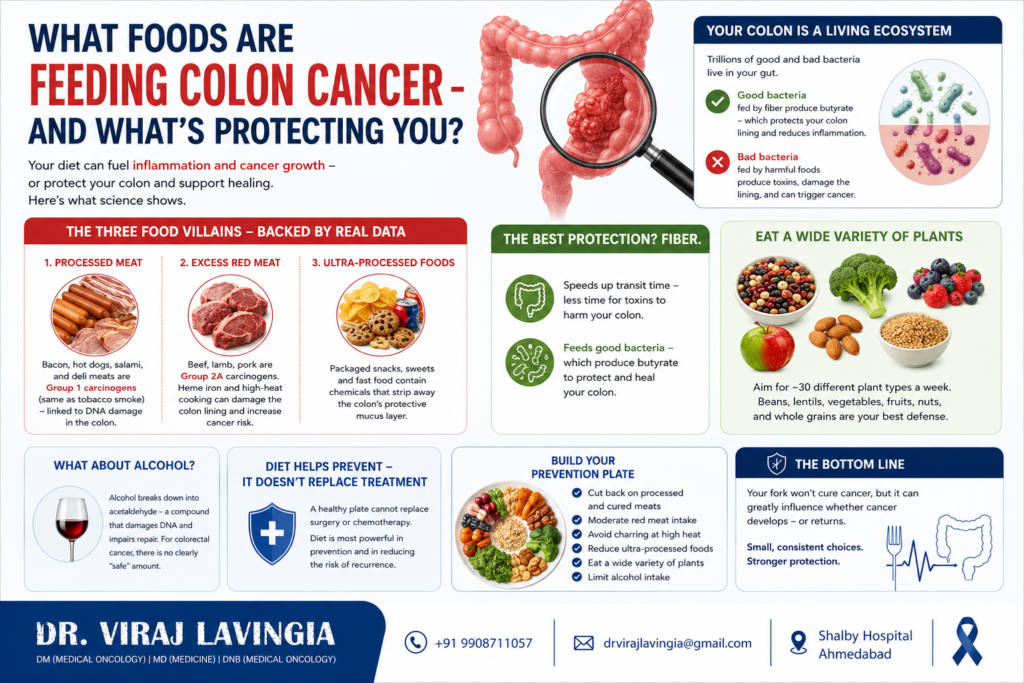
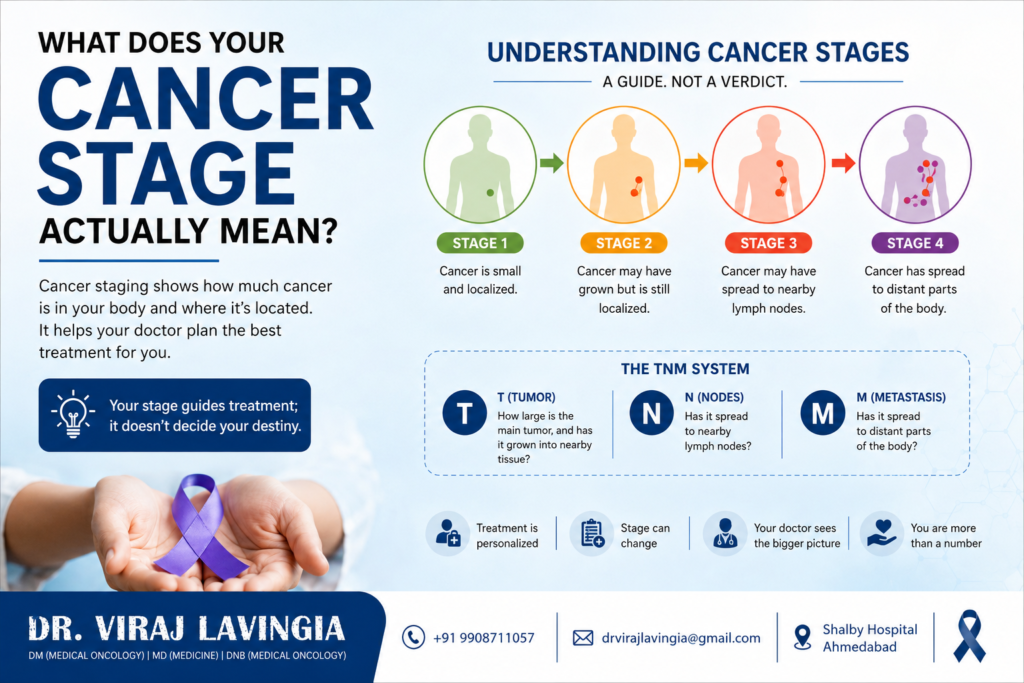
A Complete Guide to Colorectal Cancer: Symptoms, Causes, and Prevention Colorectal cancer is one of the most common cancers affecting both men and women worldwide. It develops in the colon or rectum, which are parts of the large intestine. With changing lifestyles, poor dietary habits, and increasing awareness, more people are now seeking early diagnosis and colorectal cancer treatment in Ahmedabad to improve outcomes and recovery. Understanding the symptoms, causes, and preventive measures is crucial for detecting colorectal cancer at an early stage. This complete guide will help you understand colorectal cancer, its warning signs, risk factors, and ways to reduce your risk. What is Colorectal Cancer? Colorectal cancer occurs when abnormal cells grow uncontrollably in the lining of the colon or rectum. It often begins as small, non-cancerous growths known as polyps. Over time, some of these polyps may develop into cancer if left untreated. The progression of colorectal cancer is usually slow, which makes screening and early detection highly effective. When diagnosed early, treatment becomes easier and more successful. Regular health check-ups and screening tests can help identify the condition before it spreads. Symptoms of Colorectal Cancer In the early stages, colorectal cancer may not show noticeable symptoms. However, as the condition progresses, patients may experience: ● Persistent changes in bowel habits● Diarrhea or constipation● Blood in stool or rectal bleeding● Abdominal pain or cramping● Unexplained weight loss● Weakness and fatigue● Feeling of incomplete bowel movement● Narrow or thin stools● Iron deficiency anemia These symptoms may also be linked to other digestive conditions, but if they persist, it is important to consult a specialist for proper evaluation. Causes and Risk Factors The exact cause of colorectal cancer is not always known, but several factors can increase the risk. AgeThe risk increases after the age of 50, although younger individuals can also develop colorectal cancers. Family HistoryPeople with a family history of colorectal cancer or colon polyps have a higher risk of developing the disease. Lifestyle FactorsUnhealthy lifestyle habits play a significant role in increasing risk, including: Low-fiber diet High consumption of red and processed meat Obesity Smoking Excessive alcohol intake Lack of physical activity Medical ConditionsCertain medical conditions, like inflammatory bowel disease, ulcerative colitis, and Crohn’s disease, increase the chances of colorectal cancer. Genetic FactorsInherited syndromes such as Lynch syndrome and familial adenomatous polyposis can also contribute to colorectal cancer development. Understanding these risk factors helps individuals take preventive steps and seek timely medical care. Stages of Colorectal Cancer Colorectal cancer is categorized into different stages based on the size of the tumor and how far the cancer has spread in the body. Understanding the stage helps doctors decide the most effective treatment approach. Stage 0: Cancer is limited to the inner lining of the colon or rectum Stage 1: Cancer has grown into the inner layers of the colon wall Stage 2: Cancer has spread through the wall of the colon but not to the lymph nodes Stage 3: Cancer has spread to nearby lymph nodes Stage 4: Cancer has spread to distant organs such as the liver or lungs Early-stage colorectal cancer is easier to treat, while advanced stages may require a combination of therapies. Diagnosis and Screening Early diagnosis is essential for successful treatment. Doctors use several tests to detect colorectal cancer, including: Colonoscopy Stool-based tests CT scan MRI scan Biopsy PET scan Blood tests Routine screening is recommended after the age of 45, especially for individuals with risk factors. Detecting colorectal cancer early improves treatment success and survival rates. Prevention of Colorectal Cancer Although not all cases can be prevented, certain lifestyle changes can reduce the risk: Eat a high-fiber diet Eat a high-fiber diet Include fruits and vegetables Maintain a healthy body weight Exercise regularly Avoid smoking Limit alcohol consumption Reduce processed meat intake Get regular screening tests Preventive screening is especially important for individuals with family history or other risk factors. When to See a Doctor If you experience symptoms like rectal bleeding, persistent changes in bowel habits, abdominal discomfort, unexplained weight loss, or ongoing fatigue, it is important to seek medical advice. These symptoms may not always indicate colorectal cancer, but proper evaluation is necessary to rule out serious conditions and ensure timely care. Consulting the best medical oncologist in Ahmedabad at the right time can help with early detection and appropriate treatment planning. Prompt diagnosis allows patients to explore effective treatment options and improves the chances of successful recovery. Conclusion Colorectal cancer is a serious but highly treatable condition when detected early. Awareness about symptoms, understanding risk factors, and regular screening can significantly improve outcomes. With advancements in medical technology and personalized treatment approaches, patients today have access to effective and comprehensive care. Dr Viraj Lavingia provides expert guidance and advanced care options for patients seeking colorectal cancer treatment in Ahmedabad, ensuring accurate diagnosis, personalized treatment, and better recovery outcomes.

A Complete Guide to Colorectal Cancer: Symptoms, Causes, and Prevention Read More »