
Pancreatic Cancer: Why It's Called the 'Silent Killer' and How to Catch It Early in India
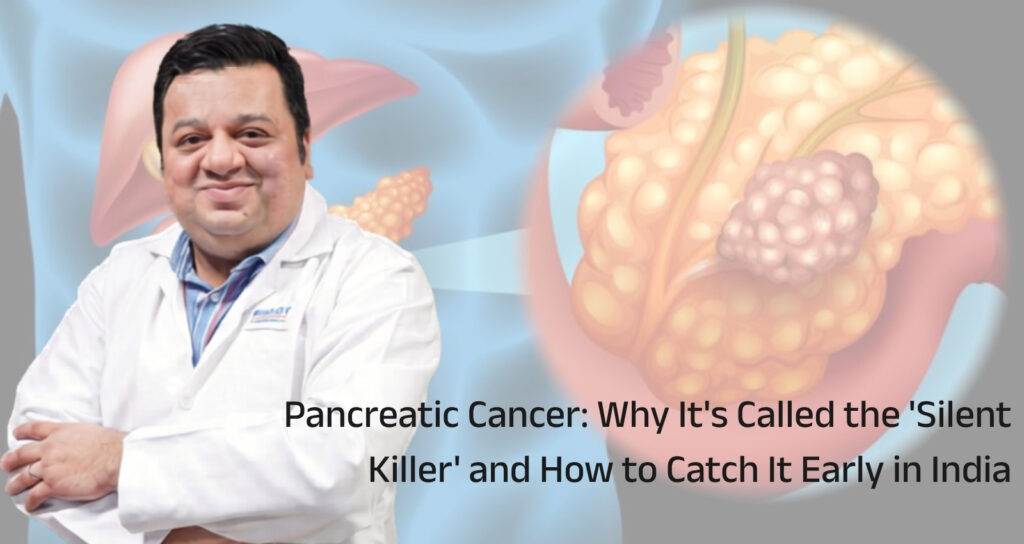
It is a heartbreaking question — and it is also the most honest way to describe pancreatic cancer. Unlike many other cancers that give you pain, a lump, or some visible change early on, pancreatic cancer often gives you nothing. No clear warning. No obvious sign. Just silence — until it is no longer silent.
That is why it has earned the name silent killer. And understanding it — truly understanding it — could one day save your life or someone you love.
Why Is Pancreatic Cancer Called the ‘Silent Killer’?
The pancreas is inside our belly, really deep. It is hard to find tumors when they are small. We usually do not know something is wrong until the pancreatic cancer has grown big or has spread to other parts of our body.
Sometimes the signs of cancer seem like ordinary tummy troubles, or we think we are just stressed out, or we have acid in our stomach. So people with cancer often think it is something else, and they wait until the symptoms of pancreatic cancer get really bad before they do anything about it.
Why Is Pancreatic Cancer So Difficult to Detect?
Pancreatic cancer is often difficult to detect in its early stages because the pancreas is located deep within the abdomen, behind the stomach, and surrounded by other organs. Due to this hidden position, tumours can grow quietly for months without causing obvious symptoms.
Most patients begin noticing signs such as abdominal pain, jaundice, unexplained weight loss, or digestive discomfort only after the disease has already advanced. This delay in detection is one of the biggest challenges in pancreatic cancer care.
Globally, the five-year survival rate for pancreatic cancer remains low — approximately 12% to 13%. However, when diagnosed early, especially at Stage I, treatment outcomes can improve significantly. Recognising subtle warning signs and seeking timely pancreatic cancer treatment in Ahmedabad or at an experienced cancer centre can play a crucial role in improving survival and quality of life.
Who Is Most at Risk in India?
Pancreatic cancer does not discriminate — but it does have patterns. In India, the following risk factors are particularly relevant:
Tobacco Use
Smoking is one of the most well-established risk factors for pancreatic cancer. In India — where tobacco use, bidis, and smokeless tobacco are widespread — this risk is significant and often underestimated.
Diabetes
India is the diabetes capital of the world, with over 10% of the population affected. Long-standing diabetes — or a sudden new onset of diabetes in someone over 50 — is linked to increased pancreatic cancer risk. If you have been diabetic for years and your sugar levels suddenly become harder to control, please mention it to your doctor.
Chronic Pancreatitis
Repeated inflammation of the pancreas — often caused by heavy alcohol consumption or, in India’s case, by tropical pancreatitis — can, over time, raise the risk of malignant changes. Studies from Kerala have specifically highlighted this tropical pancreatitis-to-cancer connection.
Obesity and Sedentary Lifestyle
Excess body weight and physical inactivity are emerging risk factors — and with India’s rapid urbanisation and changing lifestyle habits, these are increasingly common among younger adults too.
Family History
If a first-degree relative — a parent, sibling, or child — has been diagnosed with pancreatic cancer, your risk is higher. This is not a reason to panic, but it is a reason to be proactive about regular check-ups.
The Warning Signs — Subtle But Real
Pancreatic cancer often develops silently, but timely pancreatic cancer treatment can make a significant difference in outcomes.
- Dull, persistent pain in the upper abdomen or back that does not go away
- Unexplained weight loss — losing several kilos without trying
- Yellowing of the skin or eyes (jaundice) and dark-coloured urine
- New-onset diabetes, especially after age 50, or sudden worsening of existing diabetes
- Loss of appetite or a constant feeling of nausea
- Light-coloured or greasy stools
- Sudden onset of pancreatitis with no clear cause, like alcohol or gallstones
How Can You Catch It Early in India?
Pancreatic cancer cannot currently be detected using routine screening methods like colorectal cancer through colonoscopy or breast cancer through mammograms. However, this should not make one helpless.
For people who have been identified as being in the high-risk category, a specialist can advise:
- Imaging – EUS or MRI, if one is considered high-risk
- Genetic testing – in cases where there is a family history of gastrointestinal cancers
- Regular monitoring – if one is suffering from chronic pancreatitis, type 2 diabetes mellitus, or IPMN
The most important step is never to procrastinate until an onset of symptoms compels you to do so. Risk factors can be addressed by consulting a GI oncologist, and early-stage pancreatic cancer may even be cured if it is detected early.
Don’t Overlook Silent Signs
Although pancreatic cancer may be asymptomatic at first, it is possible to notice symptoms before it becomes too severe through knowledge and awareness. This will allow one to address potential problems earlier rather than later.
In addition, as per Dr. Viraj Lavingia, being aware of the possible complications, leading a healthy life, and consulting a doctor when required could be among the best things to do for one’s well-being.