
Why Gallbladder Cancer Cases Rise in Summer in India - And Who Is Most at Risk.
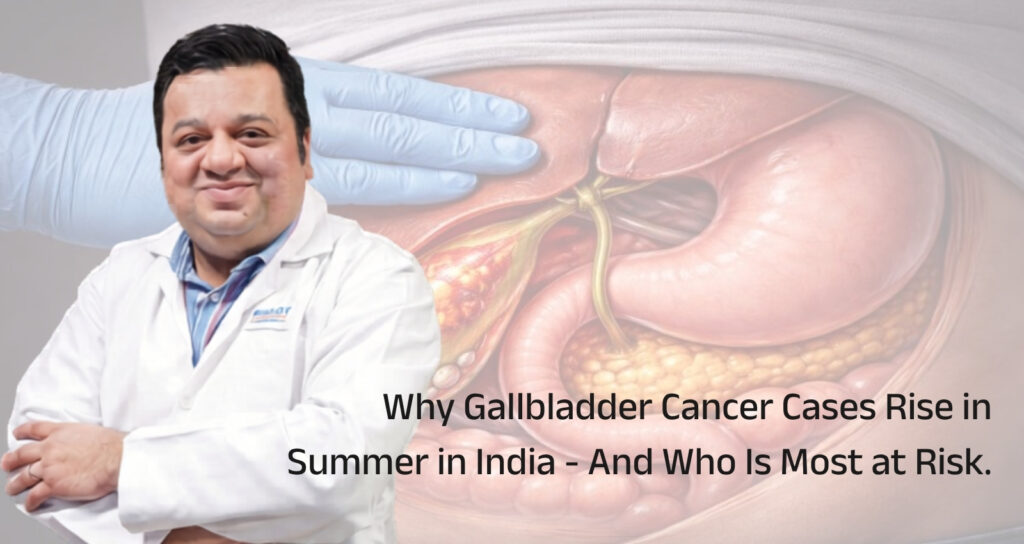
The summer months in India are known for scorching temperatures, dehydration, and numerous digestive ailments. Although people are generally aware of problems like heat stroke and dehydration in summer, very few are aware that some digestive disorders are known to flare up in the summer months as well. One such illness is the dreaded gallbladder cancer, which is hard to detect.
According to the medical oncologists, dehydration, improper diet, gallbladder disease, and lack of timely medical help in the summer months could lead to problems in relation to the gallbladder.
Why India Has Such High Rates of Gallbladder Cancer
India contributes approximately 10% of the global gallbladder cancer (GBC) burden, with the highest incidence found in North, North-East, Central, and Eastern India. In fact, in many parts of North India, it is the most common gastrointestinal cancer in women.
Several India-specific factors drive this alarming statistic:
- Gallstones — present in nearly 80% of Indian GBC patients
- Chronic infections like Salmonella typhi (typhoid) and H. pylori
- Contaminated groundwater with heavy metals and industrial pollutants
- Dietary habits — high fat, high spice, adulterated mustard oil
- Low awareness leading to delayed diagnosis, often at Stage III or IV
- Genetic predisposition in certain regional populations
So, Why Does Summer Make It Worse?
Summer doesn’t directly cause gallbladder cancer. But it creates the perfect conditions for existing risk factors to escalate — particularly in patients who already have gallstones or chronic gallbladder inflammation.
1. Dehydration Thickens Bile
In extreme Indian summer heat, the body loses fluids rapidly. When you’re not adequately hydrated, bile — the digestive fluid stored in the gallbladder — becomes thick and concentrated. This increases the risk of new gallstone formation and worsens existing stones, accelerating inflammation and mucosal damage to the gallbladder wall.
2. Fried & Fatty Summer Foods Aggravate the Gallbladder
Summer in India means weddings, festivals, and street food — pakoras, samosas, fried snacks, and cold sugary drinks. These high-fat foods force the gallbladder to contract more frequently and forcefully, increasing irritation in an already inflamed gallbladder. Over time, repeated inflammation is what drives the progression from gallstones to cancer.
3. Symptoms Get Dismissed as “Summer Stomach.”
Upper abdominal pain, bloating, nausea, and loss of appetite — these are classic gallbladder cancer warning signs. But in summer, patients and even general physicians often attribute these to heat, dehydration, or food issues. This leads to critical diagnostic delays that cost patients precious time.
Who Is Most at Risk for Gallbladder Cancer in India?
You should be especially vigilant if you fall into any of these categories:
- Women above 40 years — GBC is significantly more common in women in India
- People with long-standing gallstones, especially large or multiple stones
- Those with a family history of gallbladder disease or cancer
- Patients with chronic typhoid (Salmonella typhi) or H. pylori infection
- Individuals with diabetes or obesity
- Residents of North or Central India — particularly in the Gangetic belt
- People with a history of porcelain gallbladder or gallbladder polyps
Warning Signs You Must Not Ignore
Gallbladder cancer is often called a “silent disease” because its early symptoms are easy to dismiss. Watch out for:
- Persistent pain in the upper right abdomen
- Yellowing of skin or eyes (jaundice)
- Unexplained nausea, vomiting, or loss of appetite
- Sudden unexplained weight loss
- Abdominal bloating or a feeling of fullness
If any of these symptoms persist for more than 2–3 weeks — especially during or after summer — please do not self-medicate or wait. Seek expert evaluation immediately.
Expert Guidance & Timely Medical Treatment
Timely guidance and proper management of diseases are vital in effective cancer management. As an expert oncologist specializing in treating gastrointestinal cancer in Ahmedabad, Dr. Viraj Lavingia stresses the importance of early diagnosis and prevention to achieve better results for your treatment.
In case you or a family member is exhibiting any of the above symptoms, or there is a possibility of risk factors such as gallstones, infection, or hereditary cancer, do not delay your appointment.
It’s a renowned specialist in Gastrointestinal (GI) Cancer who specializes in treating gall bladder cancer in Ahmedabad. Being patient-friendly and a competent oncologist specializing in the latest techniques and treating patients suffering from cancer.